RALEIGH, N.C. — The last two questions on every North Carolina ballot this fall ask voters to write tax limits into the state constitution, one aimed at the state income tax and one at local property taxes.
Neither would shrink anyone tax bill right away. Both would instead restrict what future lawmakers and local governments can do, which is why supporters call them protections and critics call them handcuffs.
The first measure would cut the highest income tax rate the constitution allows in half, to 3.5% from 7%. If it passes, the state could not set a rate above 3.5% unless voters approved yet another amendment. The current ceiling came from a 2018 amendment, which cut the cap from 10% to 7% and passed with about 57% of the vote.
The state rate is already headed under the new cap. Under the budget Gov. Josh Stein signed July 7, the current 3.99% flat personal rate steps down to 3.49% starting in 2027, then to 3.24% in 2030 and to 2.99% in 2033. The corporate rate, now 2%, is set to reach zero by 2030.
The second measure sets no number. It orders the General Assembly to pass a law capping how fast county and city property tax levies can grow. The formula, including any inflation or population adjustment and any exceptions, would be written by lawmakers later, likely in 2027. The cap applies to total collections, so an individual bill could still go up or down after a revaluation.
Lawmakers put both measures on the ballot in May on party-line votes. The income tax cap passed the Senate 30-18 and the House 73-46, clearing the three-fifths margin that lets amendments skip the governor. Each now needs a simple majority of voters.
Backers say the caps lock in years of tax cuts and protect homeowners from rising levies. Opponents, including county officials, say the property tax is the main money source counties control and that limiting both big revenue streams at once could push costs toward sales taxes and fees, which fall harder on lower-income families. Nearly half the money in the state General Fund comes from the personal income tax.
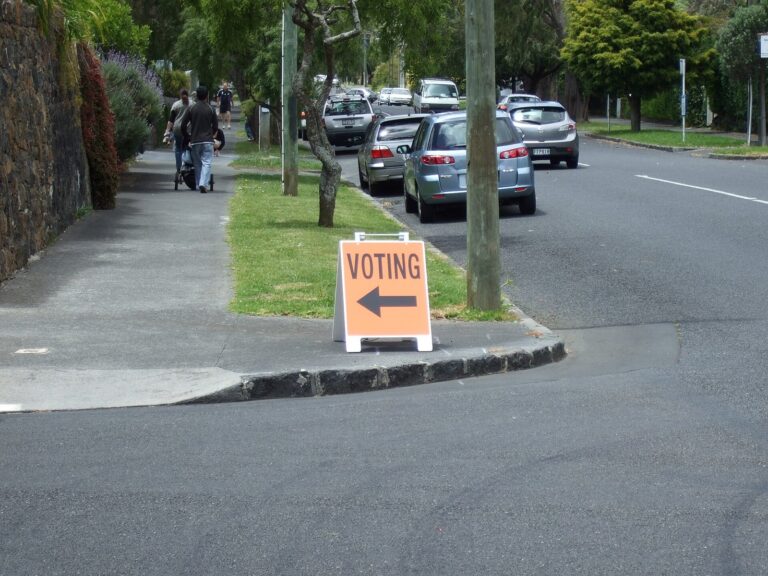
Late-August results from the Elon University Poll showed 67% support for the income tax cap and about 72% for the property tax limit. Early voting runs through 3 p.m. Saturday, Oct. 31.
Section: More Greensboro NC politics news
Filed under: Greensboro NC Politics News