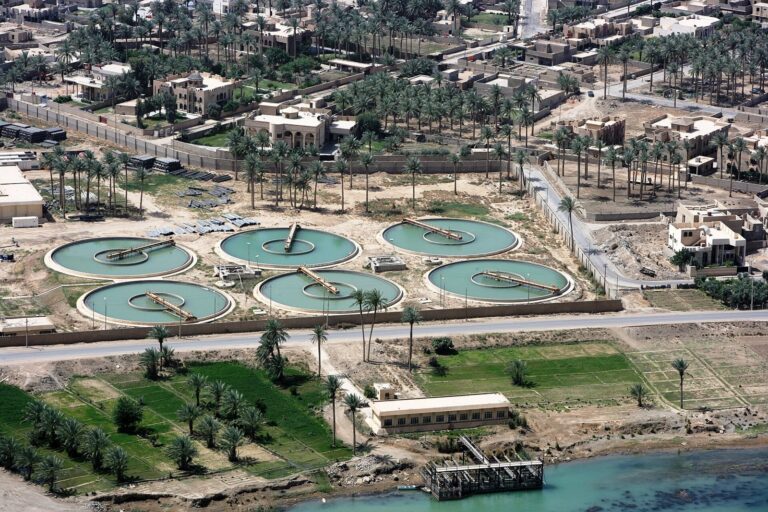
GREENSBORO, N.C. — With residents already asked to cut back voluntarily, Greensboro is leaning on water deals struck with its neighbors decades ago, and roughly one-third of what the city uses each day now arrives through those regional links rather than from its own lakes.
Michael Borchers, director of water resources for the city, put typical daily demand at about 36 million gallons, with approximately 12 million gallons coming from outside connections. Without them, he said, restrictions would likely have been needed much earlier in the dry spell.
The biggest outside supplier is the Piedmont Triad Regional Water Authority, an independent body set up in 1986 whose six founding members were Greensboro, High Point and Jamestown along with Archdale, Randleman and Randolph County. Greensboro owns about 53% of the shared Randleman Lake system. Executive Director Gregory Flory said the city began asking for extra water around May or June and has been drawing between 7 million and 9 million gallons a day, easing pressure on its own treatment plants. Randleman Lake sat about 18 inches below normal on Wednesday, a level Flory described as typical for fall, and the authority has not imposed restrictions of its own.
Other links are tighter. Burlington, which normally sends about 3.5 million gallons a day, has trimmed that to roughly 2 million while it conserves. Reidsville, another partner, is under its own stage one restriction because Lake Reidsville is running more than three feet below where it usually is this time of year.
The Reidsville measure is voluntary, aims to save 2% of daily use and is set to run 30 days, through mid-November. Public Works Director Mourice Brothers will update that city manager on the lake level every seven days, and the Reidsville City Council will give 24 hours of notice before the restriction starts.
The agreements also run the other way: Greensboro has supplied Reidsville after a major system break and helped Burlington through a distribution problem. City officials are still urging Greensboro customers to save water, since partner cities can reduce deliveries if conditions get worse.